

Are You Worried?
“I am an old man and have known a great many troubles, but most of them never happened.” – Mark Twain “There cannot be a crisis next week. My schedule is already full.” – Henry Kissinger “Worry is like a rocking chair: it gives you something to do but never gets you anywhere.” – Erma Bombeck
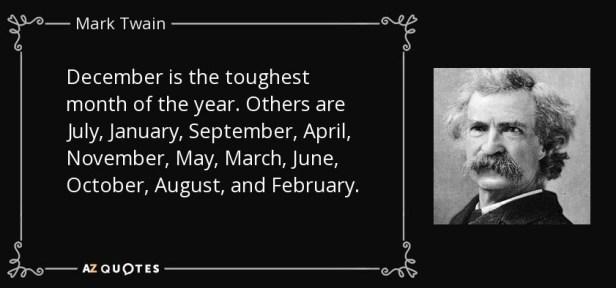
Most people are worried. They worry about health, death, cancer, relationships and finances. They worry that Social Security won’t have enough money to cover them when they are old and gray. They worry about taxes and inflation. With all of these worries there are financial aspects. Health care costs money, death is costly, and taxes and inflation only add to the list of potential obstacles.
Having said that, at least for the person who trusts in the Lord, worry is absolutely without value. So to be miserly in one’s giving both now and in the future tells a story of not only greed but worry. I believe it is wise to have several giving plans for both today and the future.
While your favorite charities might be delighted to receive a gift from your estate decades from today, they have needs today. Preparing for someday includes preparing for giving now and for the future. You money can go to work meeting the needs of many different people in very difficult situations.
Is Your Life More than Food?
“Therefore I tell you, do not be anxious about your life, what you will eat or what you will drink, nor about your body, what you will put on. Is not life more than food, and the body more than clothing? Look at the birds of the air: they neither sow nor reap nor gather into barns, and yet your heavenly Father feeds them. Are you not of more value than they?” Matthew 6:25-26
Food and clothing are important, but they are not the whole meaning of life. Jesus’ point is that people should not let anxiety about physical needs dominate their hearts. If God gives life and creates the body, believers can trust that God also knows and cares about their needs. He was contrasting temporary necessities with deeper realities: 1) Life is more than survival. 2) Trust in God should be greater than fear about material provision. 3) Seeking God’s kingdom and righteousness should come first.
The Way to Give
Jesus said quite a bit about giving. For example, we should give without seeking attention or praise from others (Matthew 6:2–4). We are to give generously and compassionately. Jesus commanded, “Give to everyone who asks you” and “do to others as you would have them do to you” (Luke 6:30–31). This is a call to a generous spirit, applied with wisdom rather than as a demand to enable harm.
We are to care for people in need. This can include allocating funds to support organizations that help meet the needs of others. It might be Samaritan’s Purse, or it might be a local food pantry or rescue mission. In Matthew 25:35–40, Jesus identifies himself with the hungry, thirsty, stranger, naked, sick, and imprisoned, saying that serving them is serving him.
Jesus was observant about giving. It wasn’t the size of the gift that mattered to him. If we think, “I don’t have much to give” we are starting with the wrong assumption. We are to give sacrificially, not merely from excess or great wealth and abundance. Jesus praised a poor widow who gave two small coins because she gave out of her poverty, trusting God (Mark 12:41–44).
Some are great at making excuses about not giving. There are many excuses. One excuse the religious leaders of Jesus day used was that they had given their tithes at the temple and so they didn’t have any leftover funds. Do not use giving to avoid deeper obedience. He criticized religious leaders who gave tithes but neglected “justice, mercy and faithfulness” (Matthew 23:23). Giving matters, but it must accompany a life shaped by love and integrity.
Some Things To Consider
What is your plan for giving during the balance of 2026? You plan for other things, so it might be wise to plan for this piece that Jesus said was an important part of our lives on this earth. Is giving in your budget?
Is Your Estate Sizable?
If an estate consists of sizable assets and the owner has a desire to give to charity, there are a number of ways to incorporate those philanthropic goals into an estate plan. While charities can be named as beneficiaries in a will, it may be more advantageous from a tax perspective to leave non-Roth IRA assets to the charity and your other assets to individuals.
Increase your tax savings on charitable giving

“For those charitably inclined, contributing long-term appreciated assets to a charity can be a highly effective tax strategy for reducing capital gains taxes.” – Fidelity Viewpoints
Read Viewpoints on Fidelity.com: Increase your tax savings on charitable giving
Year-end strategies for charitable giving
According to a Fidelity Viewpoints article, it is worth taking the time to consider 8 tax‐savvy ways to make your giving go further this year. New tax legislation could reshape your giving strategy for the 2026 tax year.
- While charitable donations by check or cash are the most common, giving long-term appreciated securities may have attractive tax benefits.
- Opening a donor-advised fund (DAF) can be a particularly effective way to optimize giving. I looked at this and I didn’t like what I saw. I don’t like paying to do charitable giving!
- A qualified charitable distribution (QCD) from an IRA can be used to satisfy your required minimum distribution (RMD). I use this all the time.
- Before undertaking any strategy, consult a legal, tax, or financial professional.
Read Viewpoints on Fidelity.com: Year-end strategies for charitable giving
Giving to Family
Proverbs speaks positively about parents leaving an inheritance to their descendants: “A good man leaves an inheritance to his children’s children, but the sinner’s wealth is laid up for the righteous.” — Proverbs 13:22
Providing for future generations as a sign of wise and responsible living. The inheritance may include money or property, but it can also involve wisdom, character, faith, and a good name. At the same time, Proverbs warns against acquiring an inheritance improperly or too quickly: “An inheritance claimed too soon will not be blessed at the end.” — Proverbs 20:21
Proverbs does not make leaving a large (or small) financial inheritance an absolute command. Its broader teaching is that parents should plan wisely, provide responsibly, and pass on lasting blessings—without allowing wealth to become the family’s highest priority. Having said that, if you plan wisely and give wisely to family members while you are alive, you can observe how your family puts those resources to work before your estate is divided.
The other thing to remember is that the giving doesn’t have to be “fair” or “equal.” For families with a special needs member, that family member will probably need additional resources. Some family members may also be less than wise in their use of money. If that is the case then some additional supervision and restrictions are wise.
Final Food for Thought
If you have been blessed with resources, large or small, you should give thought to how those resources are used today and how they might be a help and blessing for others as a part of your estate.
List of Action Items
The most important principle: Don’t make your family hunt for the information. A good master document might be organized around these questions:
- What organizations do I want to help with my estate?
- What are my desires, as detailed in my will or other estate documents for an inheritance for family members?

