
Is Income Predictable or at least Sustainable?
If you were interviewing for a position at a company, and during the interview you learned that the company was not profitable, would you jump in with both feet? Pretend that they were transparent and told you, “We can guarantee your salary for one month. After that it might be necessary to cut your pay.” Would you take the job? I suspect not.
The same can be said about investing. There are markers to help you know if you will be paid. One of those markers is the dividend payout ratio.
To determine if a dividend (income) is sustainable, you can look at the dividend payout ratio, which indicates the percentage of earnings paid out as dividends; a ratio between 40-70% is generally considered healthy. Additionally, the dividend coverage ratio, which measures how well a company’s free cash flow covers its dividend payments, can also provide insight into sustainability.
Are Dividends Even Important?
Novice investors often lack even a basic understanding of the nature of dividends or their impact on an investment’s total returns. Roughly 20–25% of the S&P 500’s 10‑year total return is attributable to dividends. Capital appreciation (price returns) provides the remaining 75–80%. In fairness, many investments are not in the S&P 500. The NASDAQ’s dividend piece is much smaller than the S&P 500. Roughly 5–15% of the NASDAQ/Nasdaq‑100’s ten‑year total return is attributable to dividends (capital appreciation provides 85–95%.)
What are the top five stocks in the NASDAQ by market capitalization? NVIDIA (NVDA), Apple (AAPL), Alphabet — Class A (GOOGL), Alphabet — Class C (GOOG), and Microsoft (MSFT). Now let’s look at the S&P 500. What are the top five stocks in this index by market capitalization? NVIDIA (NVDA), Apple (AAPL), Microsoft (MSFT), Amazon (AMZN), Alphabet — Class A (GOOGL). Notice the overlap. If you buy two different mutual funds or ETFs with a focus on these indices, you are really doubling down on just a few very large companies.
Sometimes I don’t care about dividends, but that is the exception, rather than the rule. AMZN is one of our holdings, and it does not pay a dividend. So the “dividend payout ratio” doesn’t come into play when deciding to buy Amazon.
Comparing ABBV and MSFT
Individual investments can paint different pictures when it comes to dividends and total returns. I own a significant number of ABBV shares. ABBV is a NASDAQ stock. About 60–65% of AbbVie’s (ABBV) 10‑year total return came from dividends (with the remaining 35–40% from price appreciation). This is important, because I can buy more shares of ABBV, or spend or reinvest the dividends in other investments. ABBV’s dividend payout ratio is 66.14%. The dividend is relatively “safe.” Furthermore, I also trade covered call options on ABBV. This is a wonderful additional source of income.
MSFT (Microsoft Corporation) is a quite different NASDAQ-listed stock from a dividends and capital appreciation perspective. About 5–10% of Microsoft’s (MSFT) ten‑year total return has come from dividends (the remaining 90–95% from price appreciation). Microsoft’s dividend payout ratio is a very sustainable 21.99%. However, the dollars we receive in dividends is a very small number. ABBV’s annualized dividend per share is $6.92 and Microsoft’s is only $3.64. Microsoft’s dividend yield is very small: 0.85% while ABBV’s is a more robust 3.19%.
When you are in retirement, yield is your payday. But be careful. Higher yields might be attractive to the novice, but they can become a big disappointment. One example in our portfolio is UPS.
UPS Has a Dividend Yield of 6.04%
I own shares of UPS and trade options on the shares. However, there are concerns about the dividend. Is it sustainable? Should you be concerned about the UPS payout ratio? Here is a helpful explanation using UPS as an example from The Motley Fool: Wondering If UPS’ 6.7%-Yielding Dividend Is Sustainable? Here’s What You Need to Know.
Number Nine: Do You Pay Attention to the Payout?
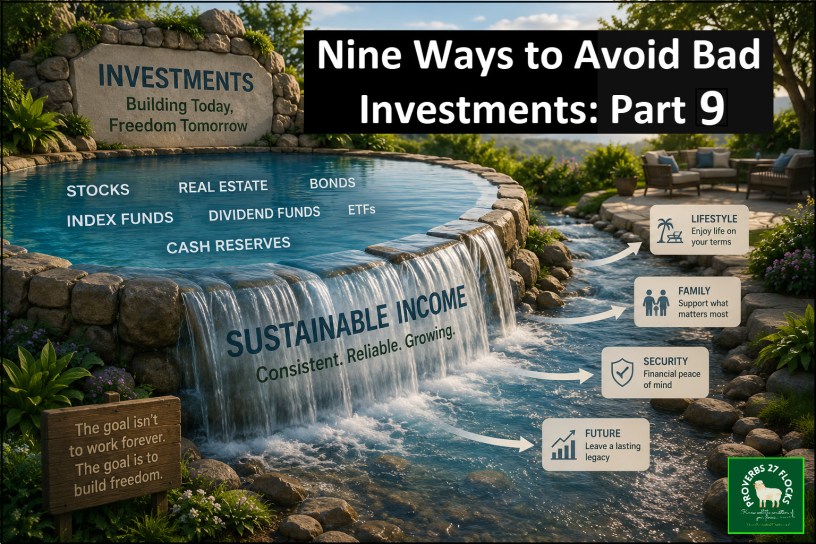
Any prudent investor seeks to understand any investment’s income potential. You cannot spend capital appreciation until you sell the shares of the stock, mutual fund, or ETF. Predictable income may not be important to you today, but I have rarely seen a retiree who doesn’t think about income. As an owner of shares of any investment you should always ask the question, “How will this pay me?” The second question is “Can the investment provide sustainable income?”
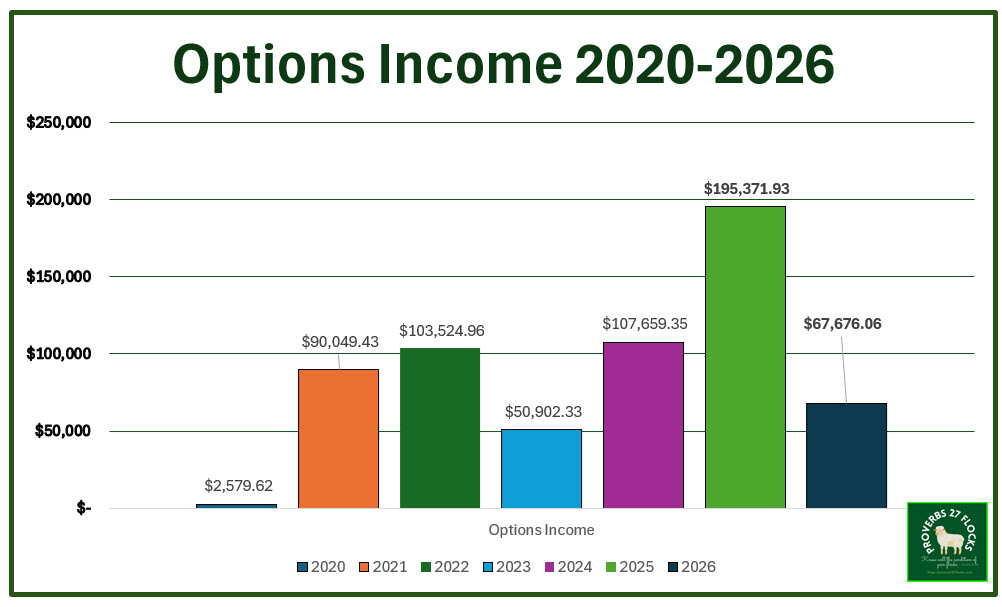
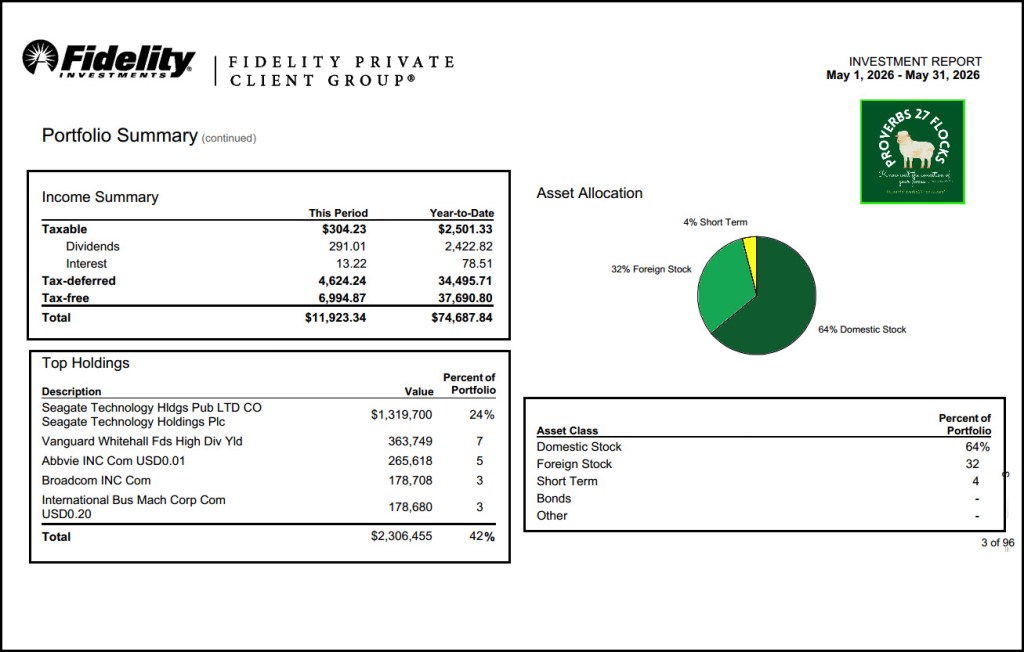
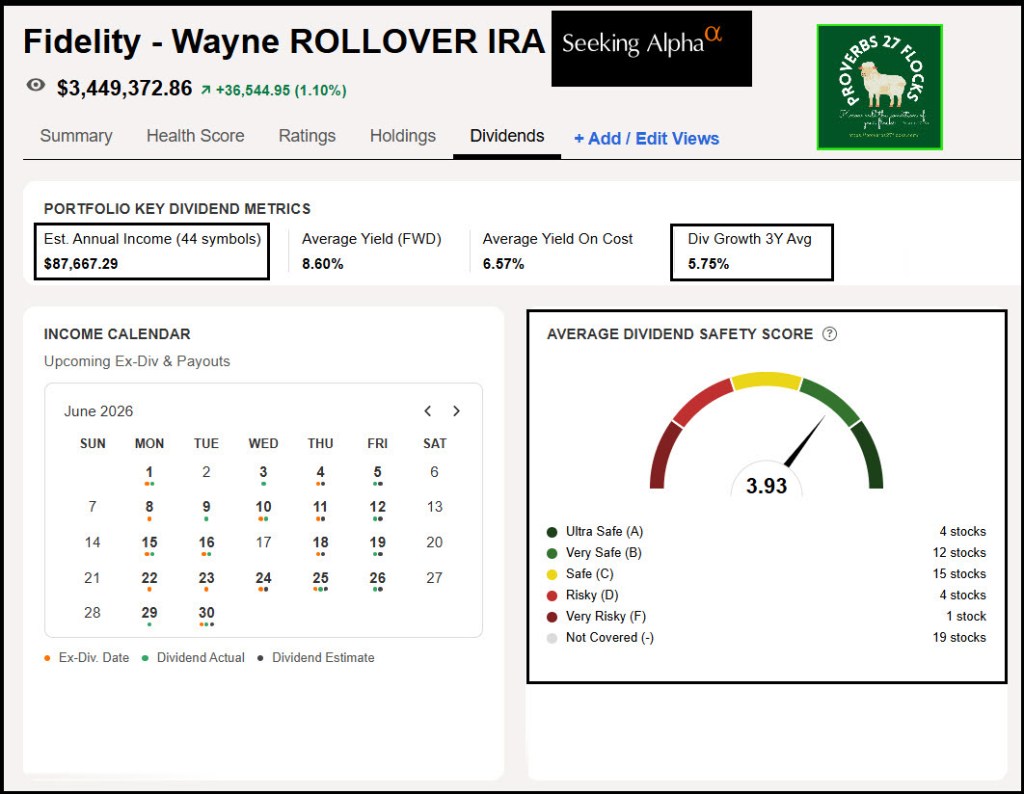
Here are two images that can help you understand the importance of income and growing income in retirement. Because I have an “Easy Income Strategy” and focus most of our investments on quality dividend growth with a rational dividend payout ratio, I can be reasonably certain that inflation won’t eat away at our buying power.
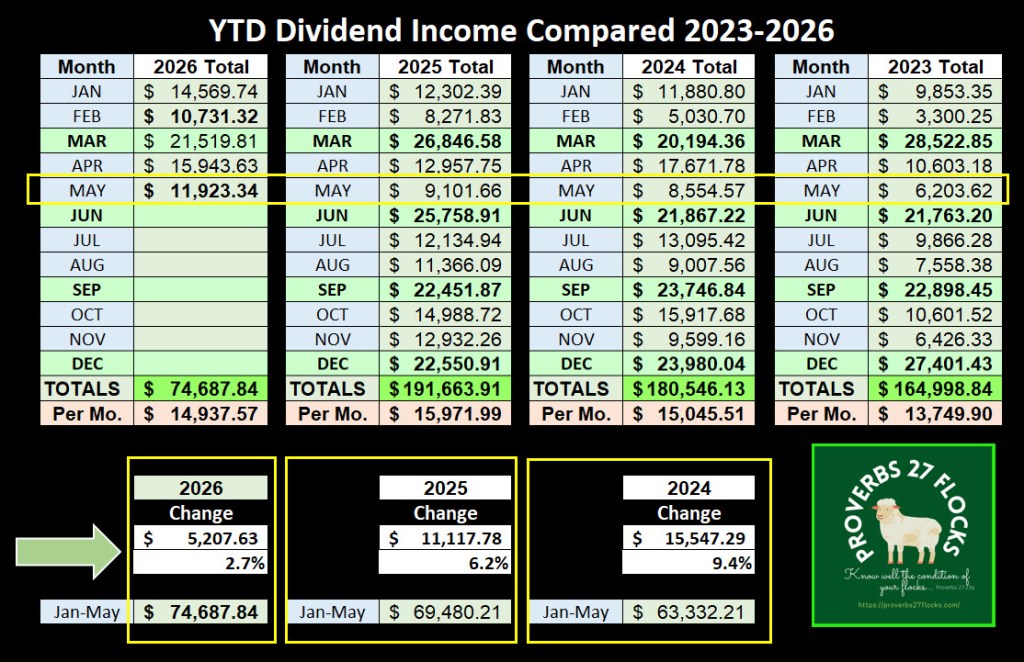
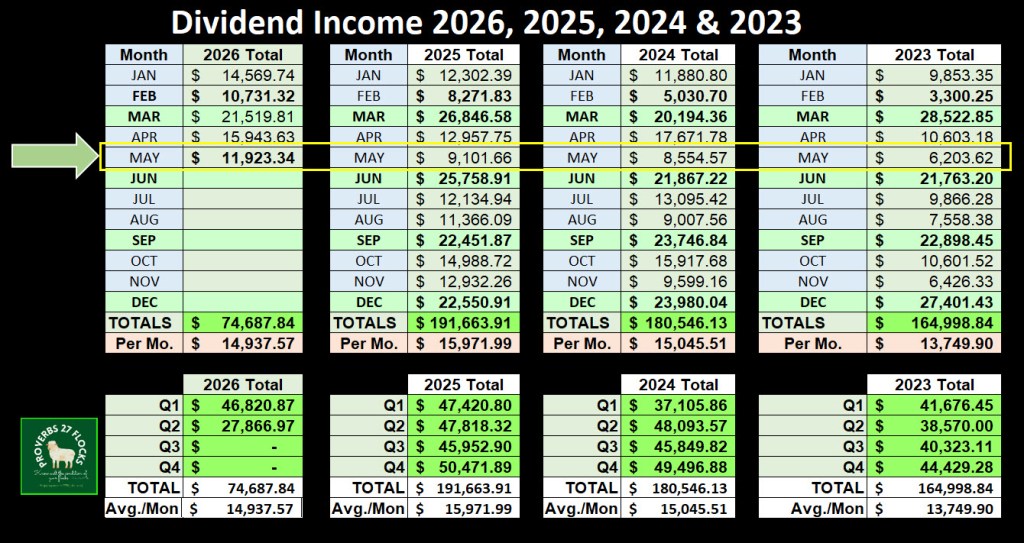
Pay Attention to Your Monthly Statement
Here is one page from our May 2026 statement.
Summary
Don’t look at just one piece of data when buying an investment. Price growth is a great start and you should want to buy investments that increase in value over time. However, someday you will probably need income from your investments. You don’t want to have a pay cut if you depend on income from your investments.
This wraps up this nine-part series. There are certainly other things that I consider when I buy an investment so as to avoid bad ones. In the end, the Seeking Alpha QUANT rating and other tools Seeking Alpha provides are helpful in avoiding underperforming assets. In my next post I will discuss a new tool that Seeking Alpha provides for evaluating the quality of the income-producing assets in your portfolio.
Proverbs 27:23-24 “Know well the condition of your flocks, and give attention to your herds, for riches do not last forever…”
Seeking Alpha Subscription Information
Of all of the resources I use, the most helpful is Seeking Alpha. The Seeking Alpha QUANT rating is a huge factor in my investment success. If you decide to explore a Seeking Alpha subscription, please use the following link. Seeking Alpha

SEEKING ALPHA INFORMATION AND SUBSCRIPTION
You can also scan this QR Code to get the same information.

Past performance does not guarantee future results, Seeking Alpha does not provide personalized advice, and it is not a registered investment adviser.
We accept advertising compensation from companies that appear on our site. This website represents my opinions, which may not reflect those of Seeking Alpha, and does not constitute an investment recommendation or advice.
If you have any questions or problems getting connected to Seeking Alpha, reach out to them with this email address: subscriptions@seekingalpha.com
All scripture passages are from the English Standard Version except as otherwise noted.

