

There is Significance in Messiah’s Names
Most of the time when we hear Handel’s Messiah we cannot help but remember one section of the masterpiece that talks about the “Wonderful Counselor, Mighty God, Everlasting Father, and Prince of Peace.” I think we should pause this Christmas and consider the significance of these words and why they are part of the “Messiah.”
Most know that George Frideric Handel wrote a masterpiece based on the scriptures. We know it as “Messiah.” What many do not know is that “The truest spiritual father of Messiah is probably Charles Jennens, the librettist(1) who created the structure and assembled the text. Jennens was from one of the wealthiest families in Britain, and he wanted for nothing. He also suffered from what we would now call chronic depression or maybe bipolar disorder. His preserved letters show incredible periods of manic work followed by deep depression, where despair, doom, and hopelessness enshrouded him.” – Christianity Today
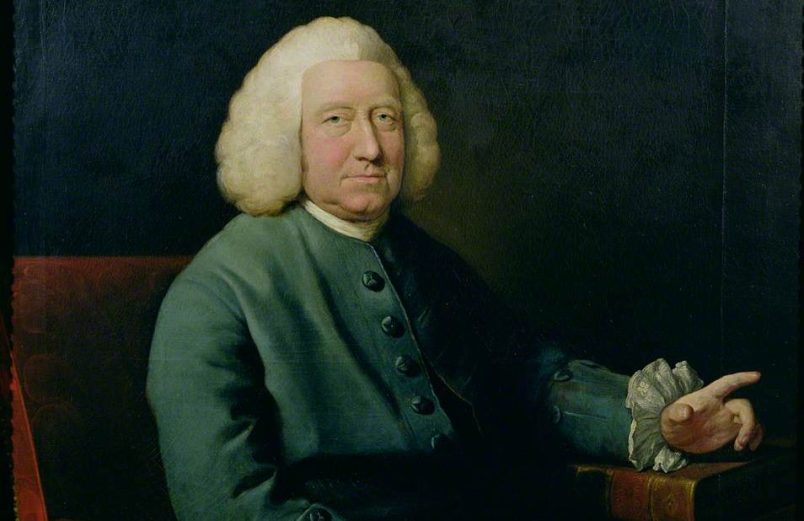
“In the late 1730s or early 1740s, Jennens began attempting a systematic way to climb out of this mental state. As a believing Christian, he turned to Scripture and books on theology and philosophy. From this, he assembled the text of what we now know as Handel’s Messiah. He was trying to create his own personal, lighted pathway through the Bible. In the library at Gopsall Hall, his estate house in Leicestershire, England, he had surrounded himself with beauty—art and sculpture and painting—to pull him out of this state. He looked at Scripture similarly and thought, I have to get out of the state I’m in. How can I use the words that are most meaningful to get me there?” – Christianity Today
- (1) A librettist is a writer who creates the text or script for operas, musicals, and other dramatic vocal works. They collaborate closely with composers to develop the storyline, characters, and dialogue that form the foundation of the performance.)
Four Titles For Your Consideration
There is a well-known verse in Isaiah’s prophecy that describes the coming Messiah (the Christ). It makes some radical claims about this Messiah. It doesn’t just say “a child is born” but it declares the child is a gift. It goes on to say that this Son will be a ruler, a “Wonderful Counselor, Mighty God, Everlasting Father, and Prince of Peace.” It matters what you believe about the Messiah.
Isaiah 9:6 “For to us a child is born, to us a son is given; and the government shall be upon his shoulder, and his name shall be called Wonderful Counselor, Mighty God, Everlasting Father, Prince of Peace.”
Let’s examine each of these “he shall be called” titles just by looking at Jesus’s conversations with his disciples. He was asking them to believe the truth of his words, based, at the very least, on the things they had witnessed.
Wonderful Counselor (Believe His Words!)

Jesus made it clear that we could know him, depend on him and trust his Words. Everything he said was true and came true. He said he would die, and he said he would rise. He did. Jesus said he was the way and the truth. John said Jesus was “full of” grace and truth. You can trust what Jesus said. He said we must believe in God and believe in him.
“’Let not your hearts be troubled. Believe in God; believe also in me. In my Father’s house are many rooms. If it were not so, would I have told you that I go to prepare a place for you? And if I go and prepare a place for you, I will come again and will take you to myself, that where I am you may be also. And you know the way to where I am going.’ Thomas said to him, ‘Lord, we do not know where you are going. How can we know the way?’ Jesus said to him, ‘I am the way, and the truth, and the life. No one comes to the Father except through me. If you had known me, you would have known my Father also. From now on you do know him and have seen him.’” John 14:1-7
Mighty God (Believe in His Ability to Save)
Jesus told his disciples, “If you ask me anything in my name, I will do it.” John 14:14
This is a radical claim, and it would be deemed ridiculous if spoken by any other person in history. The disciples could believe the claim because of what they had already witnessed: Lazarus had been raised from the dead, thousands were fed with a small boy’s lunch, water was made into wine, the blind received their sight, the lame walked, women with incurable health issues were healed, demons were sent into pigs, seas were calmed, and a fish delivered a coin for the temple tax.
In fact, Jesus told them to at least believe based on what they had witnessed. John 14:11 says, “Believe me that I am in the Father and the Father is in me, or else believe on account of the works themselves.”
Everlasting Father (Believe for Everlasting Life!)
The Messiah was the Everlasting Father. Jesus told Philip, one of his followers, that to see him was seeing the Father. This was just after Jesus told Thomas, “If you had known me , you would have known my Father also.” Philip wasn’t satisfied…
“Philip said to him, ‘Lord, show us the Father, and it is enough for us.’ Jesus said to him, ‘Have I been with you so long, and you still do not know me, Philip? Whoever has seen me has seen the Father. How can you say, ‘Show us the Father’? Do you not believe that I am in the Father and the Father is in me? The words that I say to you I do not speak on my own authority, but the Father who dwells in me does his works. Believe me that I am in the Father and the Father is in me, or else believe on account of the works themselves.’” John 14:8-11
John 3:16-18 provides a choice: “For God so loved the world, that he gave his only Son, that whoever believes in him should not perish but have eternal life. For God did not send his Son into the world to condemn the world, but in order that the world might be saved through him. Whoever believes in him is not condemned, but whoever does not believe is condemned already, because he has not believed in the name of the only Son of God.”
Prince of Peace (Believe to Gain Peace!)
The proclamation of the angels at the birth of the Messiah was “Glory to God in the highest, and on earth peace among those with whom he is pleased!” Luke 2:14

Jesus in this same conversation spoke of the peace he gave. You can have peace in your soul when you have peace with God. This was not the temporary peace in a family situation or the temporary peace in the Middle East. This was a non-world peace unlike any other peace available to mankind.
“These things I have spoken to you while I am still with you. But the Helper, the Holy Spirit, whom the Father will send in my name, he will teach you all things and bring to your remembrance all that I have said to you. Peace I leave with you; my peace I give to you. Not as the world gives do I give to you. Let not your hearts be troubled, neither let them be afraid.” John 14:25-27
Do Not Disbelieve. Believe
The Gospel of John makes the case that Jesus is the Messiah, the Son of God who came to rescue the souls of those who would believe. It is not good works that can make a person right with God. It is only the finished work of Jesus that Thomas saw when he met Messiah Jesus behind locked doors. Jesus paid for the sins Thomas had committed, and he offers that same payment to those who will believe.
“Now Thomas, one of the twelve, called the Twin, was not with them when Jesus came. So the other disciples told him, ‘We have seen the Lord.’ But he said to them, ‘Unless I see in his hands the mark of the nails, and place my finger into the mark of the nails, and place my hand into his side, I will never believe.’”
“Eight days later, his disciples were inside again, and Thomas was with them. Although the doors were locked, Jesus came and stood among them and said, ‘Peace be with you.’ Then he said to Thomas, ‘Put your finger here, and see my hands; and put out your hand, and place it in my side. Do not disbelieve, but believe.’ Thomas answered him, ‘My Lord and my God!” Jesus said to him, ‘Have you believed because you have seen me? Blessed are those who have not seen and yet have believed.’”
The Purpose of John’s Gospel
Sometimes an author tells you why he or she wrote a book at the beginning of the book. John waits until you hear his account to tell you why he wrote his gospel.
“Now Jesus did many other signs in the presence of the disciples, which are not written in this book; but these are written so that you may believe that Jesus is the Christ, the Son of God, and that by believing you may have life in his name.” John 20:30-31
I believe. Do you? Unbelief will kill you. Forever.
Don’t hesitate to ask questions. I will do my best to answer them.
All scripture passages are from the English Standard Version except as otherwise noted.
 Know Your Flocks & Herds
Wishing for a Merry Christmas, and a Bright New Year, filled with heath, love, laughter, and peace.Jack (Yankel) Miller 561 549 1800Please excuse Typos Sent from my iPhone
LikeLiked by 1 person
Merry Christmas! Thanks for reading and typos are fine! 🙂
LikeLike
I love the names of Jesus. This list always warms my heart.
LikeLiked by 1 person
Merry Christmas! I love the names of Jesus too! Good Shepherd. Bread of Life, Light of the World, The Way, the Truth, the Life, the Gate, Immanuel, the Resurrection and the Life, the Lamb of God who takes away the sin of the world! Rejoicing! Wayne
LikeLiked by 1 person
well said Wayne. Merry Christmas
LikeLiked by 1 person
Merry Christmas Gary! Thanks for the kind words. God is good to have given us His word and the Word!
LikeLiked by 1 person