
A Reader’s Request
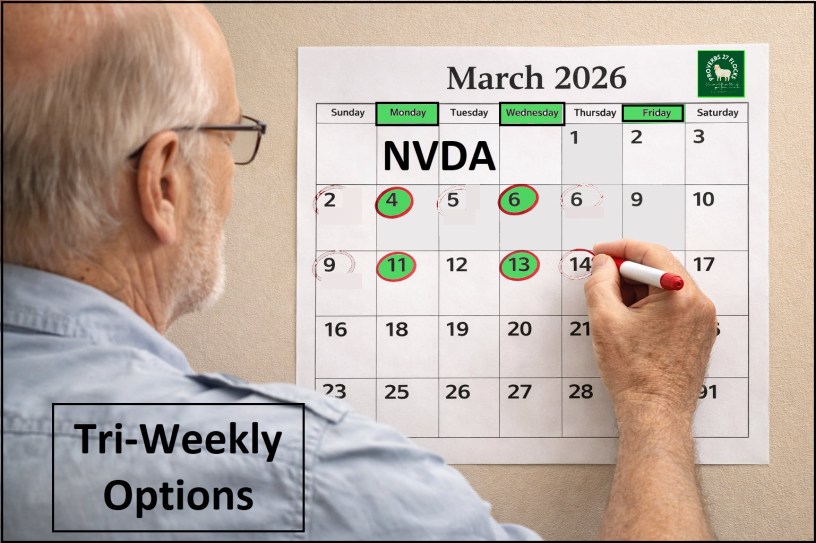
Many of the ideas for my research and writing come from reader’s questions. I had already started to trade tri-weekly options when Dino asked the following: “I noticed that tri-weekly options are now available for some equities. Is that something you’ve partaken in or is that something to avoid? Were you planning on a post regarding tri-weekly options?” – Dino
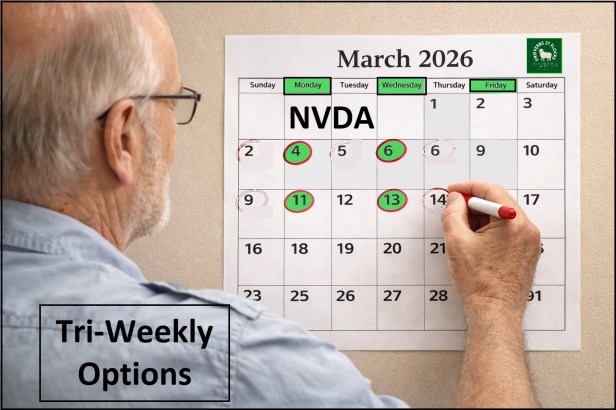
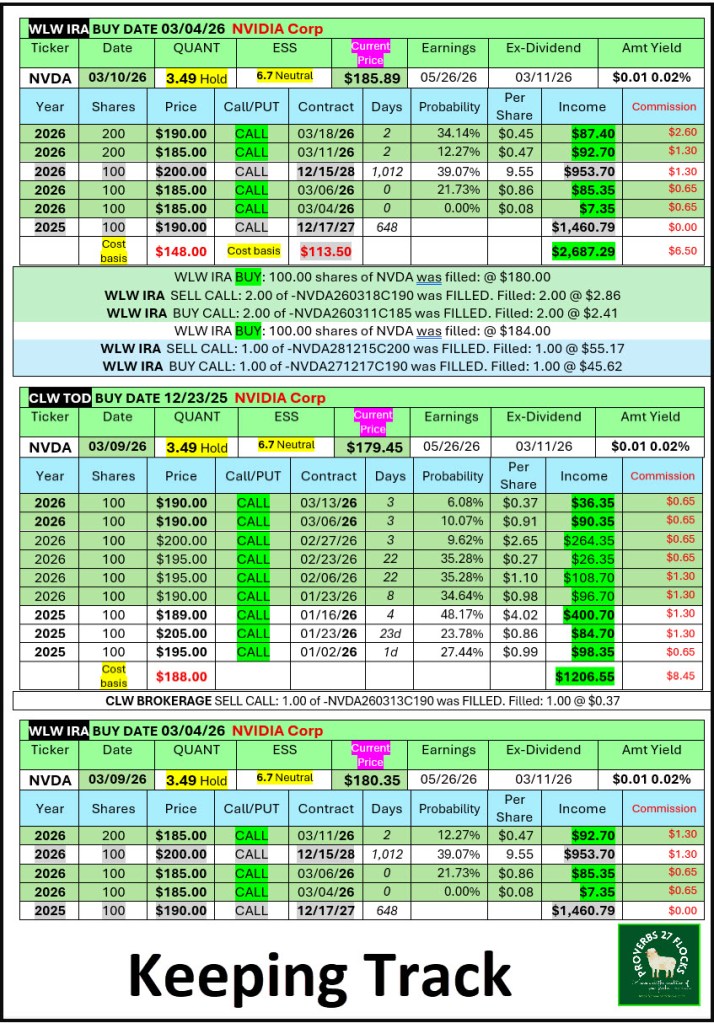
My brief response was: “I have taken advantage of the tri-weekly options for my wife’s brokerage account. She has 100 shares of NVDA.” I asked Dino if he had a list of symbols that he knew about and he sent me this list: AAPL, AMZN, AVGO, GOOGL, META, NVDA, MSFT, TSLA, SPY, QQQ, IWM, and IBIT. Note, for example, that IWM is an ETF: iShares Russell 2000 ETF as is QQQ: Invesco QQQ Trust, Series 1 ETF and SPY: State Street SPDR S&P 500 ETF Trust. SPY is very expensive, if you want to buy 100 shares for option trading.
I created the following table on Seeking Alpha (I modified the downloaded table to show some key elements) so as to focus on stocks and ETFs with decent QUANT ratings and share prices that are not ridiculously high. Pay attention to the trading volume as well. The higher the trading volume the more potential for options activity as well. The three with the green highlight are stocks we already own: AMZN, AVGO, and NVDA.
Understanding Weekly Options
I think weekly options are far better than monthly options contracts. This provides at least four times the chance to earn income on your 100 shares in any given month. Options contracts generally expire on every Friday if they are weekly options.
Weekly options have revolutionized short-term trading by providing flexibility and precise timing for market participants. These instruments represent one of the most significant innovations in options trading over the past two decades.
Weekly options are short-term contracts that expire every week, typically on Fridays. Unlike traditional monthly options that expire on the third Friday of each month, weeklies enable trading on much shorter timeframes. Introduced by the Chicago Board Options Exchange (CBOE) in 2005, they have fundamentally changed how options markets operate.
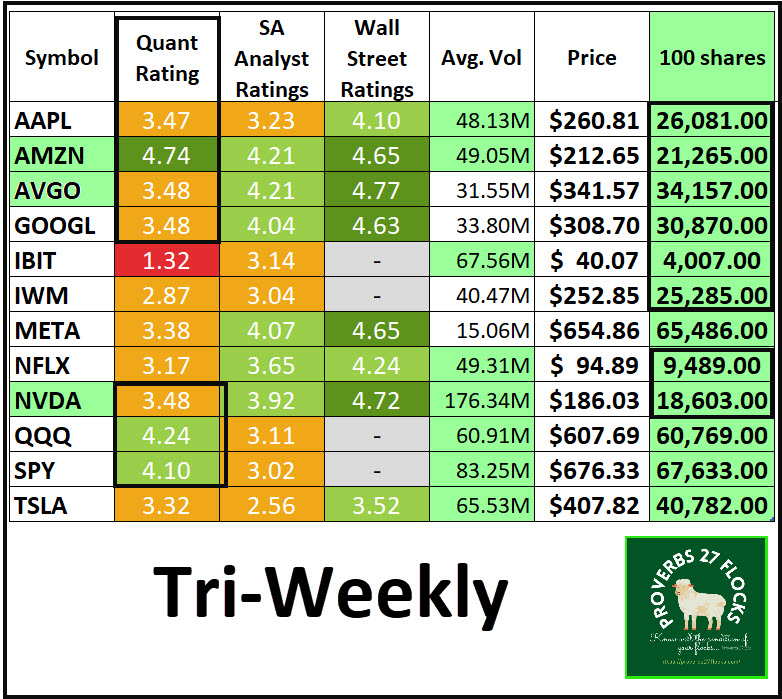
However, I think tri-weekly options may be even more interesting for those interested in more than four profits per month.
Key Benefits of Tri-Weekly Options
Increased Flexibility: Traders can enter positions based on shorter-term market movements.
More Data Points: More frequent expirations allow for greater adjustment based on market conditions.
Improved Market Efficiency: Options can react to earnings reports or other significant events more swiftly. In fact, if the share price for a Wednesday option is moving up, you might want to roll your tri-weekly option to Friday.
Stocks (Single Shares) With Expanded Expirations
Recently regulators and exchanges have allowed certain individual stocks to get multiple expirations beyond the traditional Friday cycle. As of early 2026, Nasdaq received approval to list Monday and Wednesday expiries in addition to Friday for several big names:
- Apple Inc. (AAPL)
- Amazon.com, Inc. (AMZN)
- Microsoft Corp. (MSFT)
- Nvidia Corp. (NVDA)
- Alphabet Inc. (GOOGL)
- Meta Platforms, Inc. (META)
- Tesla, Inc. (TSLA)
- Broadcom Inc. (AVGO)
- iShares Bitcoin Trust (IBIT)
Things to Consider
Higher Premiums: Due to increased flexibility, premiums may be higher compared to monthly options. At the very least, there is the potential to get option income at least twice without rolling the option out to the next week or month.
More Management: Traders may need to monitor positions more actively, as the expiration cycles are shorter. I do this with price alerts so that I don’t have to sit and watch the trading activity.
If you’re considering trading in these options, stay updated on specific expiration dates and market fluctuations to maximize your strategies effectively.
How To Increase the Potential Profit
Pay attention to the option frequency. Many options are only monthly. Those can be profitable, but a longer duration also increases the risk of having your shares called away.
Lessons to Remember
First of all, don’t set your contract price too low. It is better to have a smaller options income for each options trade than to lose your shares due to trying to increase your options income. This is especially true for your long-term holdings that offer good dividend growth.
Secondly, remember that dividend income is a piece of the puzzle. Pushing the contract date out farther is a strategy that can add to your total dividends and your ultimate total returns. That is certainly true of my 6,500-share investment in Ford.
Finally, remember that the buyer of your contract is an optimist who thinks they can get your shares at a good price at some point in the future. That would be a win for them, just like the options income and capital gains are a win for you.
Conclusion
It is wise to seek stocks that pay a growing dividend. However, to add to your weekly income, weekly or tri-weekly options are a helpful source of instant cash. Those stocks and ETFs don’t have to pay a dividend because you can create a “synthetic” dividend trading options contracts.
Additional Resources
Fidelity Investments Options Trading FAQs
There are additional resources for research. One is Market Chameleon. I have not used this resource, but I intend to explore it some more in the future. It looks like you have to pay $99 per month for this service, so I might try a free 7-day trial. It might be worth it.
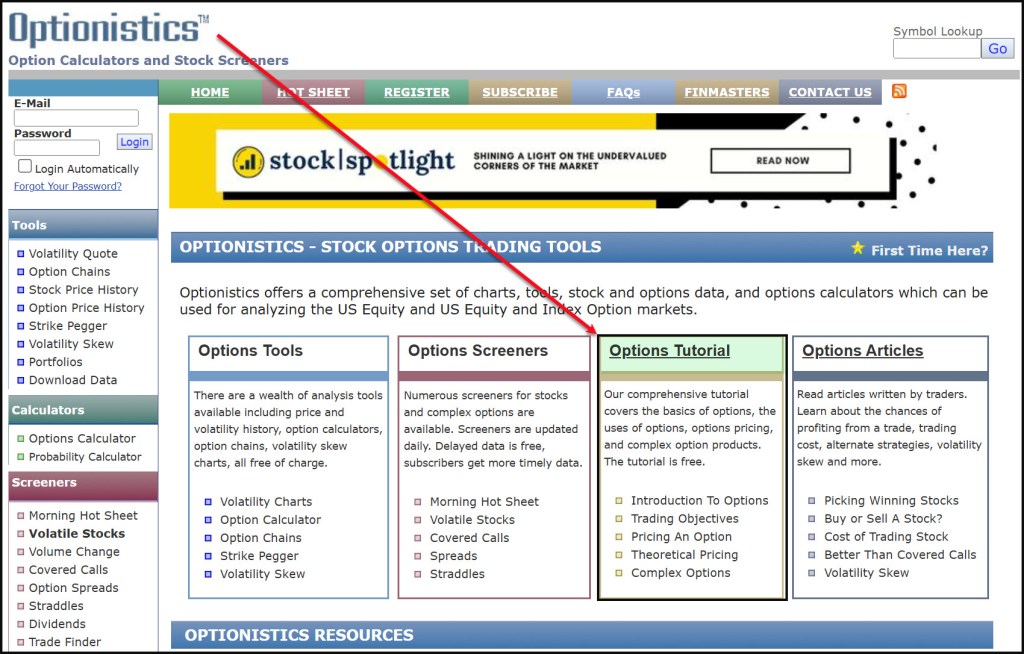
Another interesting resource is Optionistics. This site has some interesting tutorial resources that you can use to learn more about options trading. You can also subscribe to this resource: LINK.
Seeking Alpha Subscription Information
Of all of the resources I use, the most helpful is Seeking Alpha. The Seeking Alpha QUANT rating is a huge factor in my investment success. If you decide to explore a Seeking Alpha subscription, please use the following link. Seeking Alpha

SEEKING ALPHA INFORMATION AND SUBSCRIPTION
You can also scan this QR Code to get the same information.

Past performance does not guarantee future results, Seeking Alpha does not provide personalized advice, and it is not a registered investment adviser.
We accept advertising compensation from companies that appear on our site. This website represents my opinions, which may not reflect those of Seeking Alpha, and does not constitute an investment recommendation or advice.
If you have any questions or problems getting connected to Seeking Alpha, reach out to them with this email address: subscriptions@seekingalpha.com
 Know Your Flocks & Herds