
What is Your Real Retirement Age?
I did not realize that only about half of the adult population of our country will work continuously through their fifties. This surprise is from a recent Barron’s article (Only Half of People Stay Employed Through Their 50s. How to Prepare.) This is “according to an analysis of Health and Retirement Study data by researchers Beth Truesdale, Lisa Berkman, and Alexandra Mitukiewicz in the recent book, Overtime: America’s Aging Workforce and the Future of Working Longer. Among the top reasons are being laid off or pushed out of work, health concerns, and caregiving responsibilities, according to the authors. While lower-income workers are most likely to be affected, the issue spans demographics.”
The impact of this will usually make a significant difference in the income someone can expect in retirement. So while you may intend to work until you are 65, 66 or later, you might not be able to continue to work. I’m sure you might think, “I will be the exception.” Remember, someone has to fall into the fifty percent.
What Are Some Keys to Potential Success?
There are really two main pieces to the puzzle. They are known as income and expenses. Neither one of these is entirely predictable but the former is often destroyed by the latter. There are some things that you can do in your first working years, and in the years leading up to age 50 to help prevent a financial shortfall. Three words can help you. They are “budget,” “debt,” and “save.” Do the last one earlier, not later. Do the first one today. Avoid the middle one.
Budget is not an Evil Word
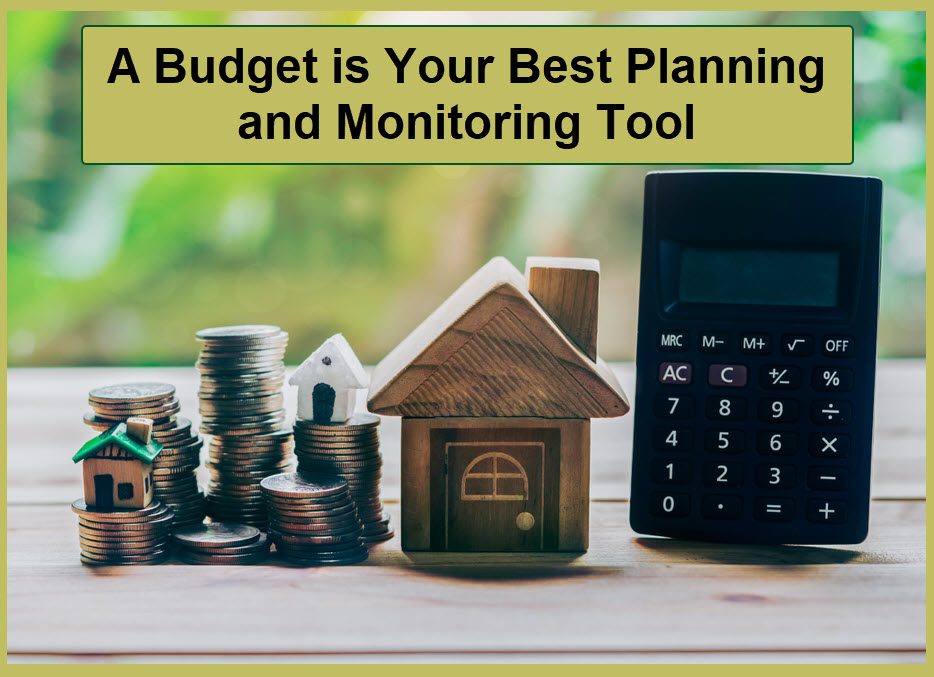
Many, if not most people I talk to do not have a budget. They don’t have time for one, don’t like them, and don’t see the value in having one. A budget is not a straitjacket. Rather, it is a tool to measure your behaviors and to help you modify your choices, impulses, and even foolish, short-sighted cravings. This tool helps you evaluate purchases, debt, and income decisions.
For example, any time some business offers you zero percent financing for big purchases, the consumer should come back to reality. There is no free financing. If the interest rate is zero, then they are asking you to pay more than the real market price for the furniture, kitchen remodeling, or new truck. If you really believe in zero percent interest, then you have little understanding of marketing and business. It is better to ask, “what is the cash price for this must-have expense?”
Furthermore, there are really two types of spending for most families. One type is fixed spending. In our case that includes utilities, property taxes, insurance premiums, and groceries. The other type is discretionary and includes travel, the purchase of big-ticket items like an SUV, and home remodeling projects. If you don’t monitor and control both, you are likely to overspend and under save.
Debt is Not Commendable
For some people, all debt seems like good debt. Other, more rational folks, try to separate debt for things that lose value from debt for things that may increase in value. Those who have this second perspective think that a mortgage is a good idea. A mortgage may be a helpful tool, but it is folly to keep using the mortgage tool after you reach a certain age. Far too many retirees have a mortgage well into their retirement years. To make matters worse, they sometimes also have a second mortgage or a “home equity line of credit.” Sadly, once you add up all of the costs of home ownership, you are not likely to make what any investor would call a profit. Do the math and you will find out what a home really costs over time.
We paid off our mortgage in 2008 when I was 57 years old. A budget helped us make additional principal payments on the 15-year mortgage so that we did not have the loan for 15 years. We purchased the home in 1999, so we paid off the balance in less than ten years. This saved us a considerable amount of interest and freed up cash for more savings during my remaining working years. If you don’t know what an amortization schedule is, then you really should Google that and learn how it can help you see what the bank is taking in interest from every mortgage payment.
I worked for another five years before starting Social Security in 2014 at age 63. During those years, and in the years since then, we have taken on zero debt. We pay cash for cars, home repairs, remodeling, vacations, and anything else that we want. That does not mean we don’t use credit cards. We do, but we only spend what we can afford to pay for at the end of the month.
Save Early, Save Often
After you pay for all of the things you “need” and the long list of wants, your budget will tell you what remains each month. If that number is less than 10% of your total after-tax income, then it is time to fine-tune your budget or find some way to spend less or earn more.
When you reach age 50, the IRS gives you a benefit called “catch-up contributions” for your retirement accounts. Teresa Ghilarducci, professor of economics at the New School, says she would call these “panic contributions.” This brings us to another reality on the savings side. There is compound interest and that works to your advantage. The earlier you understand this concept, the better your savings results will be.
Watch Out for Investing Gimmicks

There are far too many potential ways to put your retirement savings to work that are not in the best interest of the consumer. Any time I see an annuity in a person’s list of “investments” I am usually disappointed in their advisor. This is an expensive way to invest and is of great benefit to the insurance company that sells the product.
The best way to avoid the gimmicks is to do some research and ask a lot of questions. Then compare that solution with alternatives. If you need or want help, I’m available.
LINK: Barron’s Article
 Know Your Flocks & Herds